
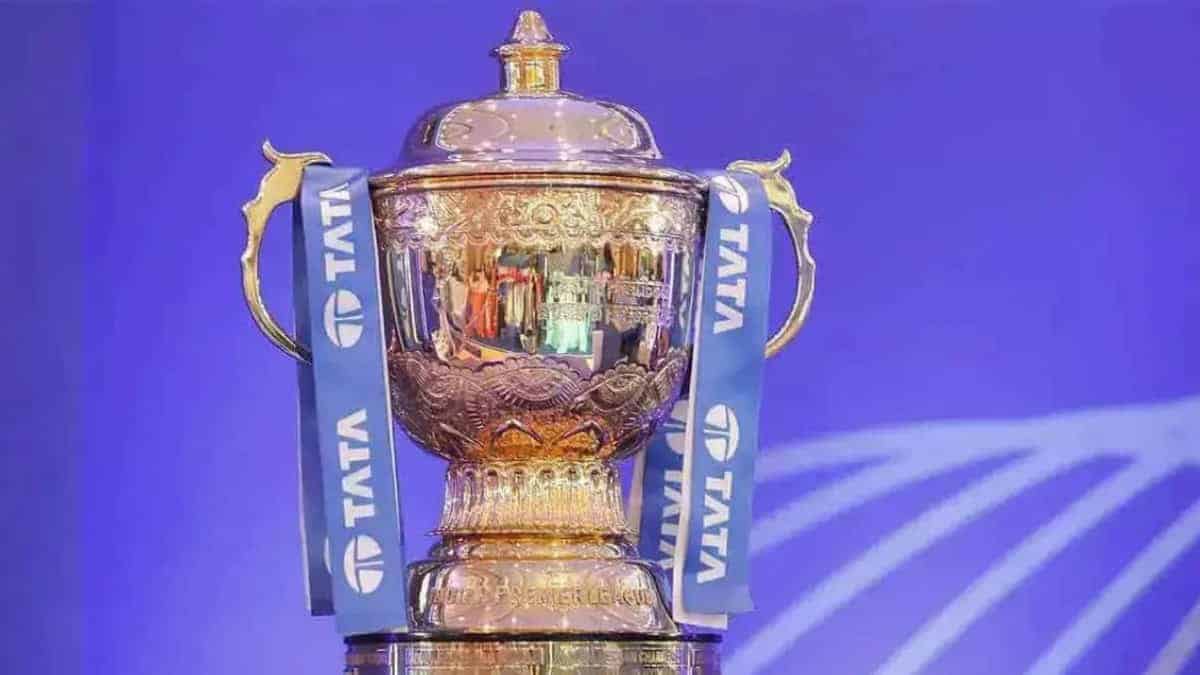
Arun Dhumal confirmed that the BCCI is planning a 94-match IPL in the next media cycle, with a complete home-and-away format under consideration.
IPL chairman Arun Dhumal has confirmed that the Board of Control for Cricket in India (BCCI) is seriously considering expanding the Indian Premier League from 74 matches to 94 matches in the next media rights cycle. The proposed expansion would allow every franchise to play each other twice in a complete home-and-away structure.
Currently, the IPL season lasts around two months, but the format does not permit all teams to face each opponent both at home and away venues. The BCCI now hopes to introduce a full double round-robin system if a bigger tournament window becomes available in the future.
ALSO READ | Virat Kohli Praises Smriti Mandhana, Jemimah Rodrigues; Opens Up On Purpose Beyond Records
BCCI Wants Complete Home-And-Away IPL Format
Arun Dhumal explained that the ideal format would see all teams playing nine home matches and nine away matches during the league stage. However, he admitted that such a change would only be possible if the IPL receives a larger dedicated slot in the international calendar.
“Ideally, we would want it because that would give an opportunity for all the teams to have nine home and nine away games. And we are hopeful that in case we get a bigger window in the next media cycle, given the bilateral commitments and ICC commitments that we have, if we get a bigger window, we would be very happy to increase the number of games to 94,” Arun Dhumal was quoted as saying to India Today.
The current Future Tours Programme (FTP) remains locked until 2027, making scheduling one of the biggest obstacles for the BCCI. Increasing the number of games within the present IPL window would force the league to stage more double-headers, something broadcasters reportedly do not prefer.
“That is why we need a bigger window. In a smaller window, if you go from 74 to 94 games, you will have more double-headers, but that doesn’t add value to the broadcasters. We have to see the interests of the broadcasters. That is why, for fewer double-headers and to have 94 games, we need a bigger window.”
IPL Could Be Split Across Different Months
Dhumal also revealed that the IPL calendar could eventually be divided into different parts of the year depending on weather conditions and international commitments. According to him, the BCCI may explore windows in September-October or February-April in future cycles.
ALSO READ | Ravi Shastri Wants 15-Year-Old Vaibhav Sooryavanshi Fast-Tracked Into India T20 Debut
“It will depend on how it can be worked out in the next bilateral cycle. We need to sit with the concerned boards and work it out. If we can find some window during September-October, part of it can go there. If we find some window maybe from February to April, that would also be good.
“The reason being, with the change in weather, it becomes very difficult to conduct games in that heat and humid environment. It would eventually lead to a lot of injuries. So given the change in weather also, we need to see how we can plan it in a way so that the weather is conducive to conducting this tournament.”
The IPL has frequently faced criticism over player workload and scheduling pressure, especially during extreme summer conditions across India.
Dhumal Responds To Bilateral Cricket Concerns
Arun Dhumal also addressed concerns surrounding the growing dominance of franchise cricket over bilateral international matches. He suggested that leagues such as the IPL are now generating greater value for players and cricket boards alike.
“No, it will not eat into their revenue. They are also benefiting from it. Ultimately, we have to see the benefit of the players. Every player is finding more value in IPL or any league vis-a-vis bilateral cricket. So we have to see what adds more value to the respective board or a player ultimately. If the traction with bilateral cricket is going down and the other boards are not able to monetise more in terms of bilaterals, there may be another way of doing it,” he said.
The comments come at a time when franchise leagues continue to dominate the global cricket calendar, with several international boards now balancing bilateral commitments alongside expanding domestic T20 tournaments.
This article follows WicketWatcher’s editorial standards. Learn more in our Editorial Policy or report an issue via our Corrections Policy.