
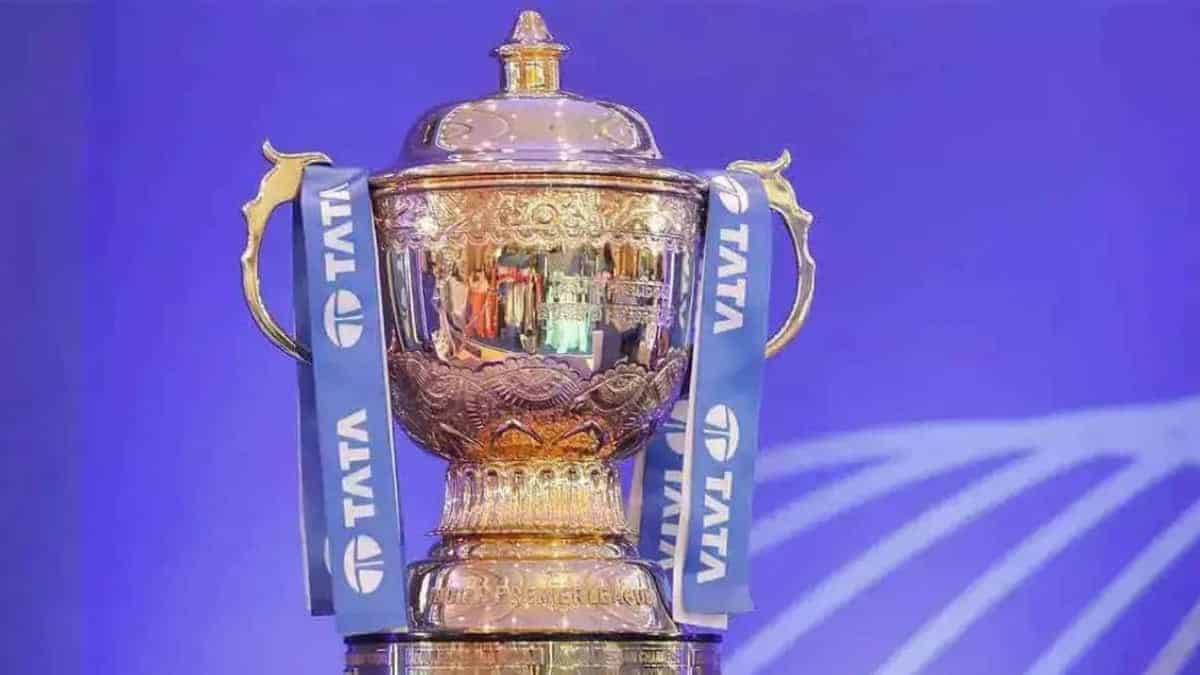
IPL 2026 captains will meet in Mumbai to discuss key rule changes, with major focus on ball replacement guidelines and updated playing conditions.
With the 19th edition of the Indian Premier League just days away, the tournament’s leadership group is set to gather in Mumbai for a crucial captains’ meeting on Wednesday. Scheduled between 4:30 pm and 6 pm, the session will address several playing conditions and regulatory updates ahead of the new season.
As per communication from the Board of Control for Cricket in India, senior officials Javagal Srinath and Nitin Menon, who head the match referees’ and umpires’ panels, will brief team captains and provide clarifications on key rules.
Rule Clarifications Up On The Stage
A number of playing condition tweaks and interpretations are expected to dominate discussions. Among the primary topics are the innings timer, bat inspections, and the controversial two-bouncer rule.
Additionally, clarity is likely to be provided on the use of saliva on the ball, the retired-out provision, and protocols surrounding ball replacement. These areas have sparked debate in recent seasons, making this meeting crucial for ensuring consistency and understanding among teams.
Ball Replacement Rules Explained
Specific guidelines regarding ball replacement have also been outlined. If the ball is lost, damaged, or deemed unfit due to normal wear and tear, the umpires will replace it with another ball showing a similar level of usage. Both the batting side and the fielding captain will be informed of the change.
For evening matches, the team bowling second is allowed a one-time request for a ball change after the 10th over. This request must be made by the captain at the end of an over and applies only once in the second innings, irrespective of dew conditions.
ALSO READ | Rahul Dravid Praises Sanju Samson For Outstanding T20 World Cup 2026
Even if the ball has already been changed earlier due to damage, wetness, or other factors, the fielding captain still retains the right to make this request after the 10th over. Beyond that, any further requests—such as another change after five or six overs—will be subject to the umpires’ discretion.
These regulations aim to maintain fairness while addressing practical challenges like dew and wear, ensuring smoother gameplay throughout the tournament.
This article follows WicketWatcher’s editorial standards. Learn more in our Editorial Policy or report an issue via our Corrections Policy.